

September 24, 2026
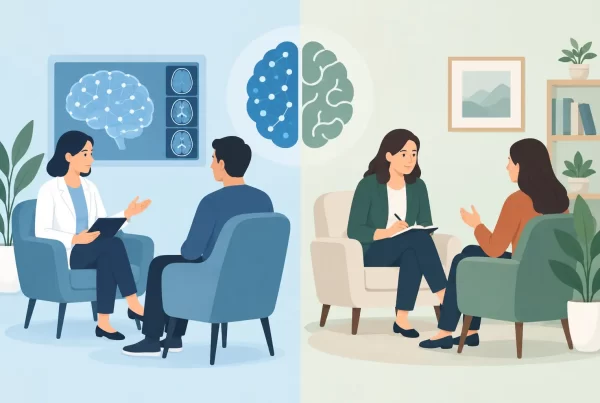
Neurocounselling Versus Counselling: What Changes?
Neurocounselling versus counselling: understand how brain-based, person-centred therapy differs, and which approach may suit your…

Relationships and Stress: Navigating the Challenges
In today’s fast-paced world, stress has become an omnipresent factor influencing every facet of our lives, particularly our relationships. The complexity of modern living—with its demands from work, family, and social obligations—often leads to heightened emotional states that, if left unchecked, can create fissures within even the strongest bonds. Understanding how stress impacts relationships and what we can do to mitigate its adverse effects is essential for personal well-being and relational harmony.
The Impact of Stress on Relationships
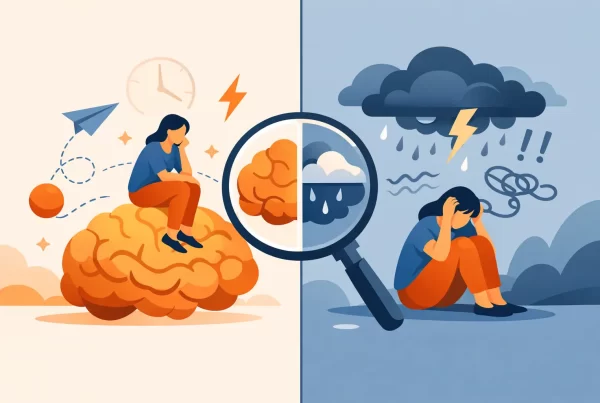
Stress can emerge from various sources: job pressures, financial concerns, health issues, and even societal expectations. When individuals are under stress, their emotional state can become dysregulated, leading to increased irritability, withdrawal, or anger. This emotional dysregulation can manifest in numerous ways within relationships, such as:
1. Communication Breakdown: Stress often hampers effective communication, leading to misunderstandings and conflicts. Couples may struggle to express their feelings, resorting instead to defensive or aggressive language.
2. Increased Conflict: Heightened stress levels can trigger arguments over trivial matters. This escalation can create an environment of resentment and hostility.
3. Emotional Withdrawal: Individuals under stress may disengage emotionally, leading to feelings of isolation for both partners. This withdrawal acts as a barrier to intimacy, crucial for a healthy relationship.
4. Decline of Physical Affection: Stress not only affects emotional connections but also physical ones. Reduced affection can result from individual preoccupations with stress, weakening the bond between partners.
5. Chronic Stress and Long-term Consequences: Over time, persistent stress can lead to relationship breakdowns, with couples choosing separation as a way to escape the unease.
Managing Stress in Relationships
Given the potential detrimental effects of stress on relationships, it is imperative to employ strategies aimed at better management of stress and improved relational dynamics. Here are effective approaches:
1. Enhance Communication
– Active Listening: Prioritize understanding over responding. When your partner shares their feelings or concerns, practice active listening techniques to acknowledge their perspective without immediate judgment.
– Express Emotions Openly: Encourage verbalization of feelings in a non-confrontational manner. Using “I” statements (e.g., “I feel overwhelmed when…”) can prevent defensiveness and promote constructive dialogue.
2. Establish Healthy Boundaries
– Identify Stressors: Both partners should identify stressors affecting their lives and relationship. This shared understanding fosters empathy and can streamline efforts to alleviate shared burdens.
– Time for Self-Care: Encourage individual pursuits that promote personal well-being, such as exercise, hobbies, or alone time. These activities can serve as vital stress relievers.
3. Cultivate Emotional Regulation
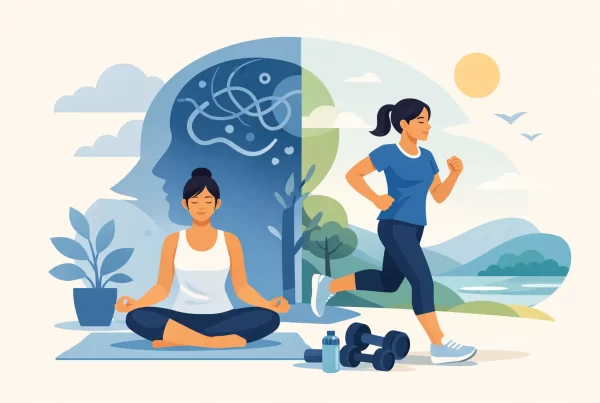
– Mindfulness Practices: Engage in mindfulness exercises, meditation, or yoga to develop better emotional regulation. These practices can improve awareness of feelings and reduce reactivity.
– Coping Strategies: Develop and share effective coping mechanisms with your partner. Techniques such as deep-breathing exercises, journaling, or positive affirmations can provide relief.
4. Schedule Quality Time
– Regular Date Nights: Set aside dedicated time for each other, free from distractions, to foster connection and intimacy. This could include activities like cooking together, taking walks, or engaging in fun hobbies.
– Create Rituals: Establish daily or weekly rituals, such as morning coffee together or evening check-ins, to reinforce connection and togetherness.
5. Seek Professional Help
– Couples Therapy: If stress is significantly impacting your relationship, seeking help from a qualified therapist can provide essential tools and frameworks for navigating challenges.
– Support Groups: Explore joining a support group for couples or individuals dealing with stress. Sharing experiences can produce valuable insights and encouragement.
Conclusion
In the increasingly stressful environment we inhabit, it is crucial to recognize the profound impact that stress can have on our relationships. By adopting proactive strategies to manage stress and communicate effectively, couples can foster resilience and safeguard their emotional bonds. Ultimately, maintaining healthy relationships in times of stress is not only beneficial to the individuals involved but also contributes to a healthier, more supportive community. As we navigate the complexities of life, let us prioritize the nurturing of our relationships, ensuring they serve as sources of strength rather than conflict.










© 2026 Keystone Therapy, Perth. All Rights Reserved. | Web Design by Pivotal Agency;