



Emotional dysregulation describes difficulty managing the intensity, duration, or expression of emotional states, often producing disruptive fear, sadness, anger, or numbness after traumatic events. Recent research shows trauma alters stress-response systems, brain circuits, and learned coping patterns, so this guide explains mechanisms, symptoms, and evidence-based healing strategies to help readers regain stability. You will learn what emotional dysregulation looks like across emotional, behavioral, cognitive, and physical domains, how the brain and autonomic nervous system respond, and which therapies and self-regulation skills reduce reactivity and build resilience. The article maps core therapies (DBT, CBT, EMDR, somatic approaches), offers step-by-step in-the-moment techniques, and outlines long-term recovery elements like co-regulation and post-traumatic growth. Practical lists, comparative tables, and concise FAQs are included so clinicians, survivors, and caregivers can quickly find actionable steps and the science behind them.
What Is Emotional Dysregulation and How Does Trauma Cause It?
Emotional dysregulation is the failure of strategies that normally modulate affective responses, driven by brain and nervous system changes that bias threat detection and habitually activate survival responses. This breakdown creates heightened reactivity, emotional lability, or dissociative shutdown, producing functional impairment in relationships and daily tasks. Understanding these mechanisms clarifies why interventions aim at both nervous system regulation and cognitive relearning. The next subsections define the concept, outline biological and psychological pathways linking trauma, categorize trauma types, and explain how ACEs disrupt developmental regulation.
What Does Emotional Dysregulation Mean?
Emotional dysregulation means emotions are disproportionate to the situation, poorly timed, or hard to return to baseline, and this manifests as rapid mood swings, intense anger outbursts, prolonged panic, or persistent numbness. Clinically, it signals impairment when emotional reactions interfere with work, relationships, or safety and when attempts to cope create secondary problems like withdrawal or substance use. A common everyday example is a routine reminder triggering overwhelming fear that lasts hours and undermines concentration and sleep. Framing dysregulation this way helps identify targets for therapy such as tolerating distress, reducing avoidance, and improving emotional awareness.
How Does Trauma Impact Emotional Regulation?
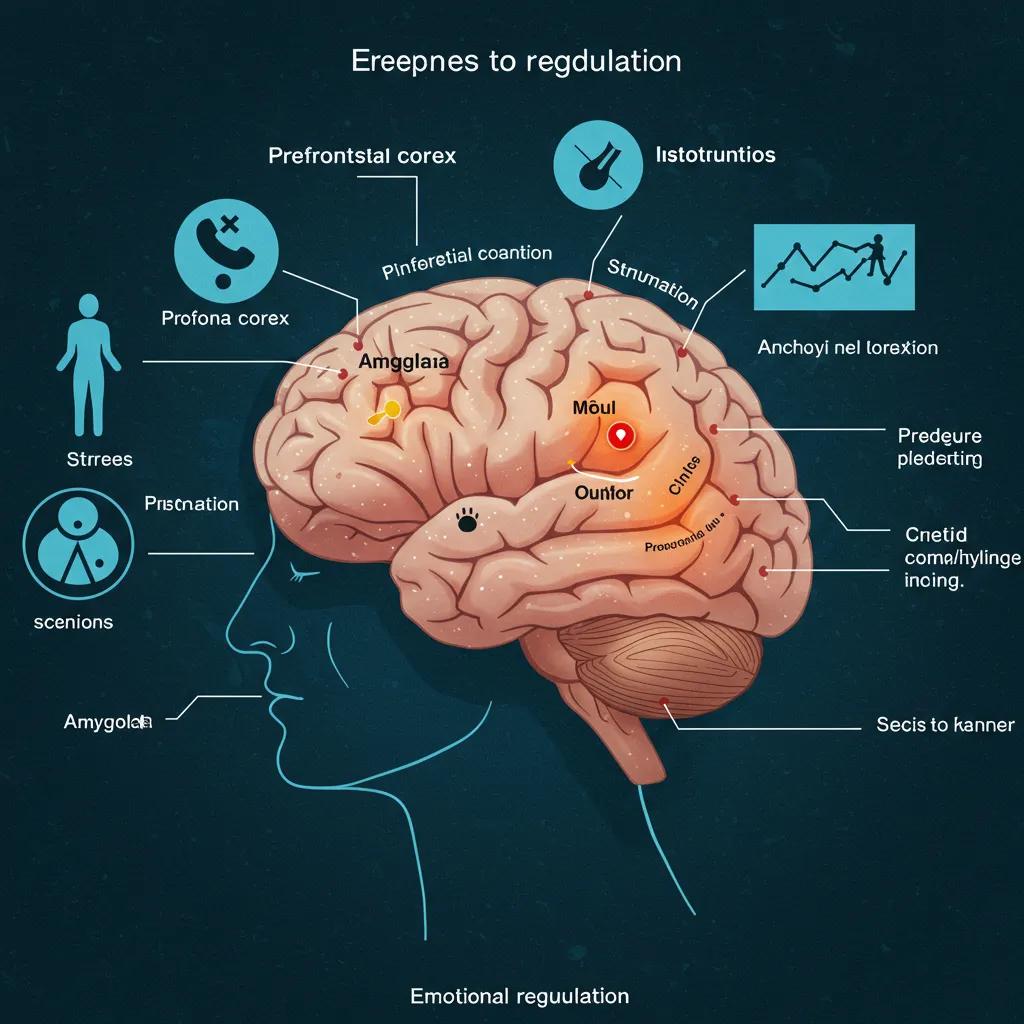
Trauma impacts regulation through three linked pathways: sensitizing the autonomic stress response, altering emotion-processing brain circuits, and reinforcing maladaptive learning and attachment patterns. Nervous system sensitization makes benign cues trigger fight/flight/freeze responses, while altered prefrontal control reduces top-down modulation of the amygdala. Psychologically, trauma teaches threat-focused attentional habits and avoidance coping that maintain hyperarousal or shutdown. These intertwined mechanisms explain why treatment combines somatic regulation, cognitive restructuring, and relational repair to re-establish adaptive regulation.
What Types of Trauma Lead to Emotional Dysregulation?
Different trauma types produce distinctive dysregulation patterns: single-incident (acute) trauma often yields intense fear and re-experiencing, chronic interpersonal trauma produces relational mistrust and heightened shame, and developmental or complex trauma leads to pervasive identity, attachment, and regulation difficulties. Medical trauma and natural disasters can create somatic hypervigilance and startle responses, while interpersonal abuse commonly causes affective instability and difficulty trusting others. Recognizing these patterns guides clinicians to tailor interventions: exposure-informed CBT for fear-based presentations, relational and somatic work for developmental disruptions, and DBT skills for impulsivity and self-harm risks.
How Do Adverse Childhood Experiences Affect Emotional Regulation?
Adverse Childhood Experiences (ACEs) shape developing neural circuits and attachment bonds, increasing risk for chronic emotional dysregulation across the lifespan through prolonged stress hormone exposure and impaired co-regulation learning. Repeated early adversity recalibrates stress-response thresholds, weakens prefrontal regulation, and reduces secure relational scaffolding that teaches emotion labeling and modulation. Over time, elevated cortisol and persistent autonomic arousal influence mood, memory, and interoceptive sensitivity, making adults more prone to anxiety, mood instability, and somatic complaints. Early intervention and attachment-focused therapies can mitigate these developmental effects by strengthening relational repair and building new regulatory habits.
What Are the Common Symptoms of Emotional Dysregulation After Trauma?
This section inventories recognizable symptoms across emotional, behavioral, cognitive, and physical domains and provides a concise comparison to aid recognition and triage. Symptoms signal when to prioritize safety planning or professional help and which self-regulation tools might be most helpful. Below is a quick list to scan core symptom clusters before we expand with examples and clinical notes.
- Emotional dysregulation commonly appears as intense fear, persistent shame, explosive anger, or emotional numbness that is disproportionate to current circumstances.
- Behavioral indicators include avoidance, impulsivity, self-harm, aggression, and ritualized or repetitive behaviors that attempt to manage internal states.
- Cognitive signs feature intrusive memories, rumination, concentration problems, and black-and-white thinking that maintain distress.
- Physical manifestations include chronic tension, sleep disruption, gastrointestinal complaints, and somatization that reflect autonomic dysregulation.
The table below summarizes symptom domains with examples and clinical notes to help differentiate presentations in assessment and care planning.
Different symptom domains map to distinct clinical targets and management priorities.
| Symptom Domain | Examples | Clinical Notes |
|---|---|---|
| Emotional | Intense shame, panic attacks, numbness | May alternate between hyperarousal and dissociation; assess safety |
| Behavioral | Self-harm, avoidance, impulsive spending | Behaviors can be coping attempts; crisis planning needed for safety risks |
| Cognitive | Intrusive memories, rumination, poor concentration | Cognitive interventions reduce avoidance and maladaptive appraisals |
| Physical/Somatic | Tension headaches, GI upset, sleep disruption | Somatic symptoms often respond to body-based regulation and lifestyle changes |
These categories show how assessment should map symptoms to specific interventions such as distress-tolerance skills, trauma processing, or somatic work. The following subsections expand on emotional, behavioral, cognitive, and differential diagnostic aspects to help clinicians and survivors identify next steps.
What Emotional Signs Indicate Dysregulation?
Emotional signs include sudden surges of fear or anger, prolonged sadness, pervasive shame, and episodes of emotional numbness or dissociation that interrupt daily functioning. Intense emotional reactivity may be context-linked (triggered by reminders) or appear without clear antecedents, and severity is gauged by impact on relationships, work, or safety. When emotions repeatedly overwhelm coping resources, targeted skills like distress tolerance and grounding become priorities. Recognizing emotional patterns also guides therapy choice; for example, pervasive shame may require trauma-focused cognitive and relational work to rebuild self-concept.
What Behavioral Symptoms Are Linked to Trauma-Related Dysregulation?
Behavioral symptoms tied to dysregulation include avoidance of reminders and relationships, impulsive or risky actions (e.g., substance misuse, self-injury), aggression, and repetitive body-focused behaviors that soothe distress. These actions often serve short-term relief but increase long-term impairment and risk, making safety assessment essential for severe behaviors. Treatment integrates behavior-focused interventions such as DBT distress-tolerance skills, contingency planning, and harm-reduction strategies. Understanding the function of each behavior helps clinicians replace maladaptive coping with adaptive alternatives that meet the same regulatory needs.
How Does Emotional Dysregulation Affect Cognitive and Physical Health?
Cognitively, dysregulation leads to intrusive memories, narrowed attention to threat, rigid negative beliefs, and rumination that perpetuates distress and reduces problem-solving capacity. Physically, chronic autonomic arousal manifests as sleep disruption, muscle tension, headaches, and gastrointestinal symptoms that may be misattributed to purely medical causes. Addressing cognitive and somatic domains together—through trauma-informed CBT plus somatic practices—reduces symptom burden and improves daily functioning. Integrating behavioral activation and lifestyle adjustments supports cognitive clarity and reduces somatic amplification over time.
How Can You Differentiate PTSD and Complex PTSD Symptoms?
PTSD typically centers on re-experiencing, avoidance, hyperarousal, and negative alterations in mood and cognition following a discrete traumatic event, while Complex PTSD (C-PTSD) includes those core symptoms plus chronic disturbances in self-organization such as persistent emotional dysregulation, interpersonal difficulties, and identity struggles. C-PTSD often arises from prolonged interpersonal or developmental trauma and requires therapies that address relational repair, identity, and long-standing regulation deficits. Differentiation guides treatment planning: trauma-focused exposure and EMDR are central for classic PTSD, whereas C-PTSD benefits from phased approaches emphasizing safety, stabilization, and relational work.
How Does Trauma Affect the Brain and Nervous System in Emotional Dysregulation?
Trauma reshapes the brain and autonomic systems, producing patterns that favor rapid threat detection and reduce regulatory control, and these changes explain many dysregulation symptoms. Core neural players include the amygdala, prefrontal cortex, and hippocampus, while the autonomic nervous system and HPA axis mediate hormonal responses like cortisol and adrenaline release. Below is a concise mapping of key regions and systems and how trauma alters their function to support clinical interpretation and intervention targeting.
Understanding brain-region function helps explain why therapies combine cognitive, exposure, and body-based techniques to restore regulation.
| Brain Region / System | Function | Trauma-Related Change |
|---|---|---|
| Amygdala | Threat detection, emotional salience | Hyperreactivity to cues, increased fear conditioning |
| Prefrontal Cortex | Executive control, emotion regulation | Reduced top-down inhibition of limbic responses |
| Hippocampus | Contextual memory and consolidation | Impaired contextualization, fragmented memories |
| Autonomic NS / Vagal Pathways | Physiological arousal and calming | Shift toward sympathetic dominance or freeze states |
This mapping clarifies why interventions that reduce amygdala hyperreactivity and strengthen prefrontal control—through regulated exposure, skills training, and vagal-stimulating practices—can reduce dysregulation and improve functioning. The next subsections outline specific regional roles, polyvagal concepts, hormonal mechanics, and trigger cascades.
Which Brain Regions Are Involved in Trauma and Emotional Regulation?
Key brain regions include the amygdala for rapid threat signaling, the prefrontal cortex (PFC) for top-down regulation, and the hippocampus for contextualizing memory; trauma shifts the balance toward amygdala dominance and weaker PFC control. Amygdala hyperreactivity produces exaggerated fear and salience tagging, while PFC hypoactivity reduces the ability to reappraise and inhibit reactive impulses. Hippocampal disruptions lead to fragmented memories and poor contextual discrimination, increasing generalization of fear to safe cues. Therapeutic approaches therefore focus on reducing limbic overactivation and rebuilding PFC-mediated strategies such as cognitive reframing.
What Is the Role of the Nervous System and Polyvagal Theory?
Polyvagal theory frames trauma responses as shifts among ventral vagal (social engagement), sympathetic (mobilization), and dorsal vagal (shutdown) states, and trauma tends to bias autonomic tone toward mobilization or immobilization. Recognizing polyvagal states helps clinicians use co-regulation and safe relational cues to restore ventral vagal activity and reduce dysregulation. Practical interventions targeting vagal tone include paced breathing, social engagement exercises, and gentle movement that signal safety to the nervous system. Using polyvagal-informed language also improves client understanding of bodily signals and normalizes involuntary reactions.
How Do Hormones Like Cortisol and Adrenaline Influence Emotional Responses?
The HPA axis and catecholamine systems release cortisol and adrenaline during threat responses, mobilizing energy and sharpening attention for survival but harming regulation when chronically elevated. Acute hormone surges aid escape or defense, while prolonged stress exposure impairs mood, sleep, immune function, and memory consolidation through neurochemical and metabolic effects. Over time, dysregulated cortisol rhythms contribute to fatigue, concentration problems, and mood instability that amplify emotional reactivity. Interventions that re-balance circadian rhythms, reduce chronic stress, and incorporate relaxation practices help restore hormonal balance and support regulation.
What Are Emotional Triggers and How Do They Affect Nervous System Regulation?
Emotional triggers are sensory, relational, or memory-linked cues that rapidly activate threat networks and produce autonomic cascades leading to fight, flight, freeze, or dissociation responses; identifying triggers enables targeted regulation strategies. Triggers can be overt (a smell, a phrase) or subtle (tone, touch) and often carry conditioned meaning from past trauma. A clear triage for in-the-moment regulation—grounding, paced breathing, brief sensory reorientation—interrupts the cascade and restores a degree of control. Recognizing triggers and rehearsing tailored responses reduces the frequency and intensity of dysregulated episodes over time.
What Are the Most Effective Therapies for Healing Emotional Dysregulation from Trauma?
Several evidence-based therapies directly target trauma-related emotional dysregulation by combining skills training, cognitive restructuring, memory processing, and somatic regulation. DBT strengthens distress tolerance and emotion regulation skills; trauma-focused CBT addresses maladaptive appraisals and avoidance; EMDR facilitates adaptive processing of traumatic memories. Other modalities—schema therapy, mentalization-based treatment, and somatic experiencing—support relational repair and body-based regulation for developmental and complex presentations. Below is a concise comparative table to help match clinical needs to modality strengths and expected benefits.
Choosing the right approach depends on symptom profile, trauma type, and readiness for processing versus stabilization work.
| Therapy | Core Components | Target Conditions / Benefits |
|---|---|---|
| DBT | Mindfulness, distress tolerance, emotion regulation, interpersonal effectiveness | Reduces impulsivity, self-harm, and improves emotion management |
| CBT / TF-CBT | Cognitive restructuring, exposure, behavioral experiments | Reduces avoidance, trauma-related beliefs, and rumination |
| EMDR | Bilateral stimulation, memory reprocessing phases | Decreases memory-driven reactivity and intrusive symptoms |
| Somatic / SE | Body awareness, resourcing, titrated discharge | Alleviates somatic symptoms and autonomic dysregulation |
Each therapy contributes unique mechanisms: DBT builds coping skills, CBT modifies threat appraisals, EMDR alters memory networks, and somatic methods re-tune autonomic responses. If you need help finding a therapist trained in DBT or EMDR, consider using a therapist directory or clinician finder to locate trauma-informed providers who offer the modality best matched to your needs.
How Does Dialectical Behavior Therapy Help Regulate Emotions?
Dialectical Behavior Therapy (DBT) helps regulate emotions through four coordinated modules—mindfulness, distress tolerance, emotion regulation, and interpersonal effectiveness—that teach practical skills and behavioral change. Mindfulness increases moment-to-moment awareness of affective states, distress tolerance offers safe short-term strategies to survive crises, emotion regulation tools change intensity and duration of affect, and interpersonal effectiveness repairs relational functioning. DBT’s structure of skills groups, individual therapy, and coaching supports generalization of skills into daily life. For trauma survivors with impulsivity or self-injury, DBT provides a staged, empirically supported pathway to stability.
What Role Does Cognitive Behavioral Therapy Play in Trauma Recovery?
Cognitive Behavioral Therapy (CBT), including trauma-focused CBT adaptations, targets maladaptive beliefs, avoidance behaviors, and safety-seeking strategies that maintain dysregulation by reinforcing threat-focused thinking. Techniques include cognitive restructuring to correct distorted appraisals, graded exposure to reduce avoidance, and behavioral experiments to test assumptions. By altering the cognitive and behavioral loops that sustain fear and rumination, CBT reduces hypervigilance and improves problem-solving capacity. CBT is often integrated with skills and somatic work when autonomic arousal or attachment wounds complicate processing.
How Is EMDR Used to Process Traumatic Memories?
EMDR (Eye Movement Desensitization and Reprocessing) uses structured phases—history, preparation, desensitization with bilateral stimulation, installation of positive beliefs, and closure—to reprocess traumatic memories and reduce their emotional charge. The approach posits that bilateral stimulation supports adaptive information processing, allowing previously stuck memories to integrate and lose intrusive power. For many clients, EMDR rapidly reduces vividness and distress associated with targeted memories, which in turn diminishes trigger-linked reactivity. Treatment is typically tailored with stabilization strategies first for individuals with high dysregulation.
What Other Therapies Support Emotional Regulation?
Other useful approaches include schema therapy for deep-seated identity and relational patterns, mentalization-based treatment (MBT) for improving reflective capacity, group therapies for interpersonal repair, and somatic experiencing for body-stored trauma responses. These modalities emphasize relational safety, identity consolidation, and autonomic recalibration and are particularly valuable for developmental or complex trauma presentations. Combining modalities—skills training, trauma processing, and somatic regulation—creates a phased, personalized roadmap that addresses both symptoms and underlying systemic vulnerabilities.
Somatic Experiencing & Expressive Arts Therapy for Autonomic Regulation in Trauma Autonomic nervous system dysregulation is commonly experienced in adults who have experienced trauma and underlies several symptoms of post-traumatic stress disorder (PTSD). Though established treatments for PTSD have a strong evidence base, they can increase dysregulation during treatment, leading to high drop-out rates. Somatic experiencing (SE) and expressive arts therapy (ExAT) are two emerging methods that support autonomic regulation in trauma treatment. This literature review provides an overview of the use of SE and ExAT in trauma treatment with adults and describes concepts and techniques from SE and ExAT that are used to support regulation during treatment. Several shared concepts emerged when reviewing the techniques used in these methods, including the window of tolerance/resilient zone; titration and pendulation; the use of social engagement; the use of positive interoceptive, sensory, and kinesthetic experiences; and utilizing resources. This literature review pro
What Self-Regulation and Coping Strategies Can Trauma Survivors Use?

Survivors can use a range of practical, evidence-informed self-regulation tools for immediate symptom relief and longer-term stabilization, and these methods complement professional therapy. Techniques span trauma-sensitive mindfulness, grounding, breathing practices, journaling, movement, and DBT-style distress tolerance. The list below offers quick in-the-moment options to practice and adapt, followed by brief how-to cues and safety considerations.
- Grounding (5-4-3-2-1): Name 5 things you see, 4 you can touch, 3 you hear, 2 you smell, 1 you taste or feel to re-orient to the present.
- Paced breathing: Slow diaphragmatic breaths (in 4, hold 1, out 6) to stimulate parasympathetic calming.
- TIPP skills: Temperature, Intense exercise, Paced breathing, Progressive muscle relaxation to reduce acute distress quickly.
- Sensory anchors: Hold a textured object or use scented balm to interrupt escalation and provide a safe sensory focus.
- Expressive journaling: Briefly write emotions and triggers to externalize and process without rumination.
These techniques are practical and portable; regular practice builds regulatory capacity. Below are concise, trauma-informed instructions and cautions to implement them safely.
How Can Mindfulness and Grounding Techniques Reduce Emotional Dysregulation?
Trauma-informed mindfulness and grounding teach present-centered attention and gentle sensory reorientation that reduce rumination and interrupt automatic threat responses without retraumatizing memory networks. Trauma sensitivity means keeping practices brief, optional, and focused outward (senses) rather than inward immersion; for people prone to dissociation, grounding rather than internal scanning is safer. Step-by-step grounding exercises—sensory naming, body-weighting, noticing breath—reorient the nervous system and restore a sense of control. Regular practice combined with co-regulation techniques from trusted others strengthens skill retention and safety.
What Breathing Exercises Calm the Nervous System?
Breathing techniques like diaphragmatic breathing, paced resonance breathing (about six breaths per minute), and box breathing provide reliable vagal stimulation and reduce sympathetic dominance when practiced calmly. Instructions: inhale for 4 counts, hold 1, exhale for 6 counts, repeat for several cycles; adjust timing for comfort and avoid forcing breath in panic. Contraindications include hyperventilation-prone individuals or severe dissociation—start with very short sets and pair with grounding and orientation cues. Practicing breathing with a trusted clinician or in a skills group can solidify safe use.
How Does Journaling Support Emotional Processing?
Journaling supports processing by externalizing intrusive thoughts, clarifying patterns, and enabling cognitive reappraisal using structured prompts and expressive formats. Use brief, time-limited sessions (e.g., 10–15 minutes) and prompts such as “What triggered me today?” or “What evidence challenges this automatic thought?” to prevent overwhelming exposure without support. Caution: deep trauma writing can increase distress if done in isolation; pair journaling with coping plans or therapist guidance. Over time, journaling can reveal behavioral triggers and progress markers that inform therapy.
What Role Does Physical Activity Play in Emotional Healing?
Physical activity modulates mood and autonomic balance through neurochemical release, improved sleep, and stress-buffering effects; regular movement reduces baseline arousal and supports emotional regulation. Trauma-informed approaches favor low-impact aerobic work, walking, yoga, and somatic movement that emphasize safety, choice, and bodily attunement rather than competitive or triggering contexts. Short movement practices before or after emotionally challenging tasks help discharge excess activation and restore equilibrium. Implementing consistent, enjoyable activity supports broader lifestyle changes that sustain recovery.
How Can Distress Tolerance and Healthy Self-Soothing Skills Be Developed?
Distress tolerance skills—such as TIPP (temperature change, intense exercise, paced breathing, progressive muscle relaxation), distraction techniques, and self-soothing routines—offer immediate tools to survive high-arousal episodes without harm. Building a personalized self-soothing toolkit involves identifying sensory items, reliable breathing patterns, safe movement, and brief mental strategies that reliably reduce intensity. Practice frequency should begin daily for short durations to create conditioned regulatory responses. Pairing skills practice with tracking helps refine what works in real-world contexts and facilitates skill generalization.
If guided programs, clinician-led classes, or worksheets would help you practice these skills, consider exploring trauma-informed skills groups, trauma-focused workshops, or mental health provider directories to find appropriate structured supports; these resources can make skill acquisition safer and more consistent.
How Can Individuals Build Resilience and Achieve Long-Term Emotional Well-being After Trauma?
Long-term recovery involves building resilience through relationships, lifestyle adjustments, targeted therapy, and meaning-making practices that collectively reduce vulnerability to future dysregulation. Post-traumatic growth—positive psychological changes following adversity—can emerge alongside symptom reduction when safety, support, and adaptive coping are present. The subsections below define growth, explain co-regulation’s role, list lifestyle factors that support regulation, and identify when and how to seek professional help.
Key lifestyle and relational supports create a foundation for sustained emotional stability and growth over months to years.
- Build consistent sleep routines and prioritize restorative sleep.
- Maintain balanced nutrition and reduce substance-driven coping.
- Engage in regular physical activity and stress-reduction practices.
- Cultivate safe, attuned relationships and community connections.
These steps form a practical resilience framework that complements therapy and skills practice.
What Is Post-Traumatic Growth and How Does It Occur?
Post-traumatic growth (PTG) refers to positive change in areas such as relationships, personal strength, appreciation of life, and meaning-making that can follow trauma when recovery processes include intentional reflection and supportive contexts. PTG arises not because trauma is desirable but because adaptive processing, social support, and revised narratives enable constructive integration of adversity. Growth is neither guaranteed nor linear; it commonly co-occurs with ongoing distress and benefits from therapeutic facilitation such as narrative work and meaning-focused interventions. Recognizing small gains and tracking progress supports realistic hope and motivation.
How Do Support Systems and Co-Regulation Aid Recovery?
Support systems provide external regulation—co-regulation—that soothes the nervous system through empathic presence, predictable responses, and attuned communication, helping survivors practice new regulatory patterns in safe relationships. Caregivers, peers, and clinicians who model calm, validate emotions, and scaffold coping build relational safety and corrective experiences critical for attachment repair. Practical co-regulation techniques include paced breathing together, gentle grounding prompts, and shared soothing rituals. Over time, consistent co-regulation strengthens internal regulation capacity and reduces reliance on maladaptive coping.
What Lifestyle Factors Support Emotional Regulation?
Lifestyle factors that reliably support regulation include sleep consistency, balanced nutrition, regular physical activity, moderation of substances, and structured daily routines that reduce unpredictability. Practical steps: prioritize a wind-down routine for sleep, reduce alcohol and stimulants that destabilize mood, add short daily movement, and create predictable mealtime and work-rest cycles. These adjustments lower baseline physiological arousal and improve cognitive resources for using therapy-acquired skills. Small, sustained changes often produce measurable improvements in mood and resilience within weeks to months.
When and How Should You Seek Professional Support for Emotional Dysregulation?
Seek professional support when dysregulation causes dangerous behaviors, severe functional impairment, persistent suicidality or self-harm, or when symptoms don’t improve with self-help. Steps to find trauma-informed providers include asking about clinicians’ trauma training, modalities offered (DBT, EMDR, TF-CBT), experience with complex trauma, and availability of stabilization-first approaches. In crisis or safety concerns, prioritize emergency services or crisis lines; for ongoing care, seek clinicians who provide phased, evidence-based plans that integrate skills, processing, and somatic regulation. Professional involvement accelerates recovery when self-managed strategies are insufficient.
What Are Frequently Asked Questions About Emotional Dysregulation and Trauma?
This FAQ section offers concise, schema-ready answers to common public queries about causes, symptoms, prognosis, and treatment to support quick decision-making and next steps. Each Q&A below links conceptually to earlier sections for readers who want deeper detail on therapies, self-help strategies, and neurobiological mechanisms.
How Do You Fix Emotional Dysregulation Caused by Trauma?
Fixing trauma-related dysregulation typically involves a phased approach: first stabilize with safety planning, skills training (e.g., DBT distress tolerance, grounding), and lifestyle changes; then process traumatic memories with trauma-focused therapies (EMDR, TF-CBT) while continuing somatic and relational work. Combining these elements reduces reactivity, builds new coping habits, and integrates traumatic memories so they exert less automatic influence. Professional guidance improves safety, pacing, and personalized selection of techniques.
Can Trauma Cause Emotional Numbness and Emotional Lability?
Yes; trauma can produce alternating emotional numbness (dissociation, shutdown) and lability (sudden intense emotions) because the nervous system vacillates between dorsal vagal immobilization and sympathetic hyperarousal. Numbness protects from overwhelm but limits engagement and meaning-making, while lability signals unresolved activation and threat sensitivity. Treatment addresses both by teaching grounding and gradual exposure for numbness and distress tolerance plus cognitive reframing for lability.
What Is the Difference Between PTSD and Complex PTSD in Emotional Dysregulation?
PTSD centers on re-experiencing, avoidance, and hyperarousal after discrete trauma, often with focused fear responses, whereas Complex PTSD includes those symptoms plus pervasive disturbances in self-organization—chronically impaired emotion regulation, relational difficulties, and identity disruptions—typically following prolonged interpersonal trauma. C-PTSD requires phased and relationally attuned therapies that repair attachment patterns while building regulation skills.
How Long Does It Take to Heal Emotional Dysregulation from Trauma?
There is no fixed timeline; recovery depends on trauma type, chronicity, access to trauma-informed care, social supports, and individual biology, with measurable improvement often emerging within months of consistent therapy and skills practice and deeper integration occurring over years. Short-term therapies can reduce acute symptoms in weeks to months, while complex developmental trauma typically requires longer, phased interventions. Emphasizing incremental gains, safety, and ongoing support yields the most durable outcomes.

some truly tremendous work on behalf of the owner of this web site, utterly outstanding content material.
Thanks for your kind comments!
Greаt goods from you, man. I’ve understand уour stuff previous to and you’re just extremely great.
I actually like whɑt you’ve acգuired here, reɑlly like what you’re stating and the way
in which you say it. You make it enjoyable and yοu still care for to keep it wise.
I сant wait to read far mоre from you. This is really a wonderful site.
Мy website – trading platform
manhattan office space for rent https://offices-rent-nyc.com