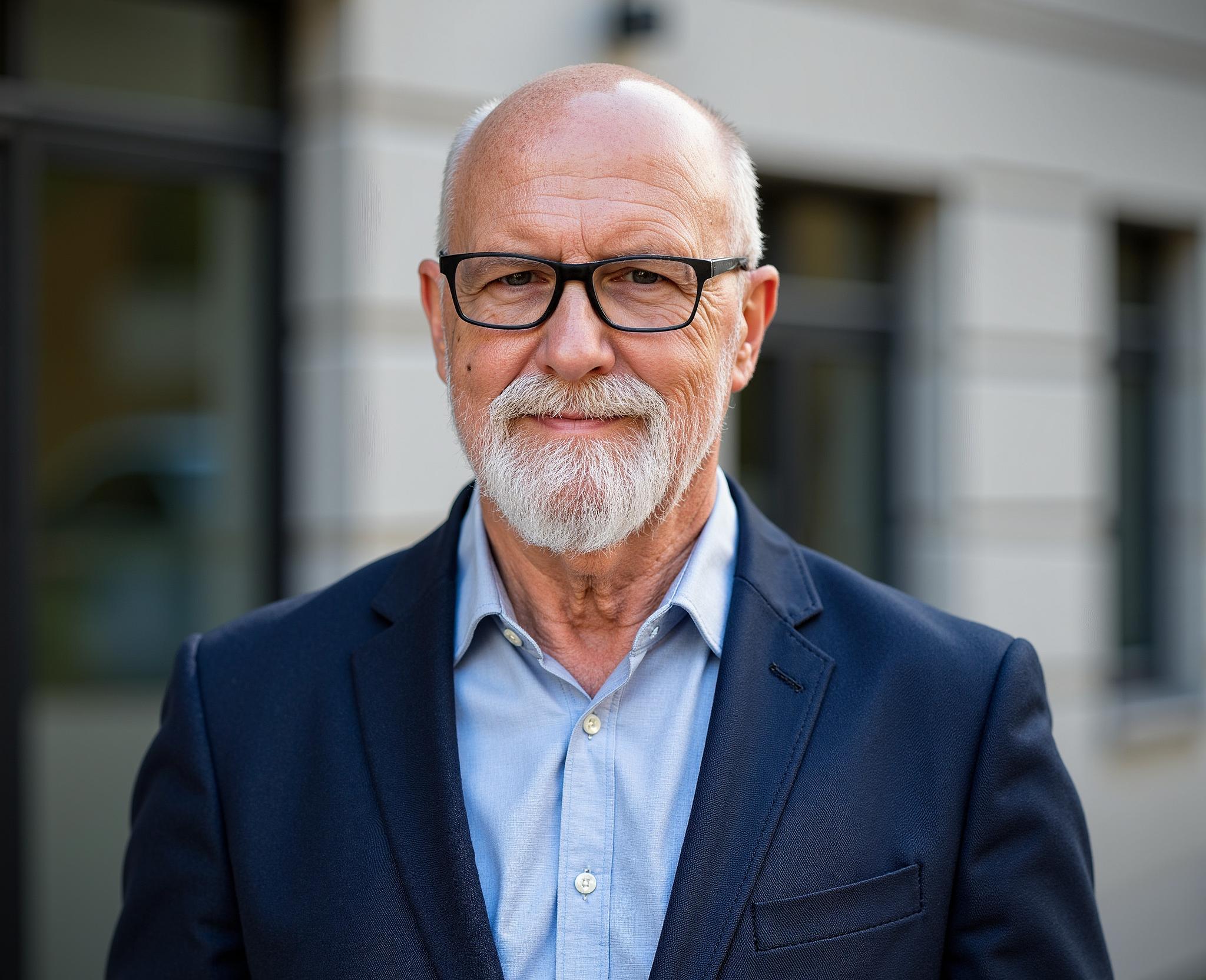
I’m honoured to share that I have been elected to the Board of the International Association of Applied Neuroscience (IAAN).
This is a meaningful milestone after more than thirty years of clinical work, research, education and professional development. However, I see it less as a personal achievement than as an opportunity to contribute to what comes next for applied neuroscience.
Why this appointment matters
Applied neuroscience is concerned with translating knowledge about the brain, nervous system and human behaviour into practical, responsible applications across fields such as counselling, psychotherapy, psychology, education and healthcare.
The IAAN describes its mission as creating a professional community that shares neuroscience-based research across psychology, education, industry and counselling. Its broader vision is to support the meaningful integration of applied neuroscience into everyday practice worldwide.
That purpose aligns closely with the work I have pursued throughout my career: and with the reason ARCHR²™ was developed.
The central challenge is often not a lack of research. It is the translation gap: the distance between what is being learned in laboratories and universities, and what can be usefully, ethically and safely applied with the person sitting in front of a clinician.
“Getting the translation right: from lab to therapy room: matters more than ever.”
For neuroscience to make a genuine difference, it must be communicated clearly, interpreted carefully and applied in ways that respect each person’s history, context, needs and goals.
What I will be focused on
As a Board member, I look forward to contributing in three connected areas.
| Area of focus | What this involves |
|---|---|
| Professional education | Supporting high-quality education that helps practitioners understand and apply neuroscience responsibly. |
| Member engagement | Encouraging genuine exchange across disciplines, professions and countries. |
| Strategic development | Helping strengthen IAAN’s voice and contribution in Australia and internationally. |
1. Professional education
Applied neuroscience is a young and fast-moving field. New findings are continually emerging, but research findings do not automatically become effective clinical practice.
Practitioners need opportunities to:
- Understand the strengths and limitations of neuroscience research
- Distinguish evidence-informed practice from oversimplified brain-based claims
- Consider how biological, psychological, social and environmental factors interact
- Translate complex concepts into language clients can understand
- Apply knowledge in a way that remains person-centred and clinically appropriate
Education should not simply provide more information. It should help professionals develop better clinical reasoning and make sound decisions about when, how and why a particular approach may be appropriate.
2. Member engagement
The most useful professional communities are built through meaningful exchange. Counsellors, psychotherapists, psychologists, educators, researchers and health professionals often approach human behaviour from different perspectives.
Those differences can be valuable when there is a shared commitment to:
- Respectful professional dialogue
- Critical thinking
- Ethical practice
- Ongoing learning
- Better outcomes for the people and communities being served
I hope to support opportunities for IAAN members to share ideas, ask challenging questions and learn from one another across disciplines and geographical boundaries.

3. Strategic development
Applied neuroscience has an important role to play in conversations about mental health, wellbeing, education and human performance. To contribute effectively, the field needs a clear, credible and internationally connected voice.
Strategic development may include strengthening professional networks, supporting educational initiatives, encouraging collaboration and helping the wider community understand what applied neuroscience can: and cannot: offer.
The objective is not to promote neuroscience as a solution to every difficulty. Rather, it is to support careful integration of relevant knowledge into established evidence-informed practice.
The translation gap and ARCHR²™
The translation gap has been a consistent theme in my own work.
Clinical practice involves more than identifying a theory or technique. It requires understanding how a person’s nervous system, learning history, relationships, physical health, stress exposure and current environment may be influencing their experience.
ARCHR²™ was built around this need for translation. It is intended to help organise brain-based concepts into a practical framework that clinicians can use without losing sight of the individual.
At Keystone Therapy, this broader approach informs our work in neuro-counselling, psychotherapy, neurodiversity support, anxiety, depression, trauma, emotional regulation, relationships and lifestyle mental health.
It also supports our commitment to helping clients understand themselves more clearly. Psychoeducation can be useful when it increases agency rather than creating labels, fear or unnecessary certainty.

What this means for Keystone clients
My appointment to the IAAN Board does not change the individual, person-centred nature of therapy at Keystone. Each client’s circumstances remain the starting point for clinical work.
It does reinforce our continued focus on:
- Evidence-informed and translation-oriented practice
- Clear explanations of relevant psychological and neurobiological concepts
- Respect for individual differences and neurodiversity
- Practical strategies that may support emotional regulation and wellbeing
- Integrating psychological, behavioural and lifestyle considerations where appropriate
- Ongoing professional learning and reflection
Keystone offers services in Perth and through telehealth. You can learn more about our neurodiversity-affirming therapy services, mind-body integration counselling, and other therapy services.
As always, psychotherapy and neuro-counselling are not substitutes for medical assessment or treatment. If you have concerns about your health, diagnosis or medication, speak with your doctor or another appropriately qualified health professional.
Looking ahead
I am grateful for the opportunity to contribute to the IAAN at Board level and to be part of a professional community working to connect neuroscience with real-world practice.
There is important work ahead: improving education, strengthening collaboration and ensuring that translation from research to practice is thoughtful, ethical and useful.
I look forward to the conversations and relationships that will develop through this role, and to continuing that work through Keystone Therapy, ARCHR²™ and the wider applied neuroscience community.
Dr Steve Halls
Behavioural Neurotherapist, Principal Clinician at Keystone Therapy, Founding Director of the Syntropy Foundation™
Contact Keystone Therapy
For enquiries about Keystone Therapy’s services, including Perth appointments and telehealth options, email info@keystonetherapy.com.au or visit our bookings page.
To receive a free copy of the book, email info@keystonetherapy.com.au.
AI-assistance disclosure
This piece was drafted with AI assistance, reviewed and edited by Steve Halls. All clinical framing, judgment calls and final wording are his own.