
This article unpacks the emerging clinical intersection of gastroenterology and psychology, specifically how the gut microbiome serves as a primary driver in trauma recovery. This guide explains the "Microbiota-Gut-Brain Axis," the role of chronic inflammation in PTSD, and why the "Brain Mechanics" at Keystone Therapy look "under the hood" of your digestive health to resolve mental health challenges. You will learn how psychoneuroimmunology (PNI) dictates your stress response and why a holistic, system-wide approach is often the missing piece in traditional talk therapy.
For decades, the "gold standard" of trauma treatment focused almost exclusively on the cognitive and emotional processing of events. However, modern neuroscience and the field of psychoneuroimmunology have revealed that trauma is not just a psychological event; it is a physiological one. At Keystone Therapy, we view the human body as an integrated machine. When the "check engine" light of anxiety or depression flickers, the Chief Brain Mechanics don’t just look at the software: we check the hardware, starting with the gut.
The Microbiota-Gut-Brain Axis: The Body’s Information Superhighway
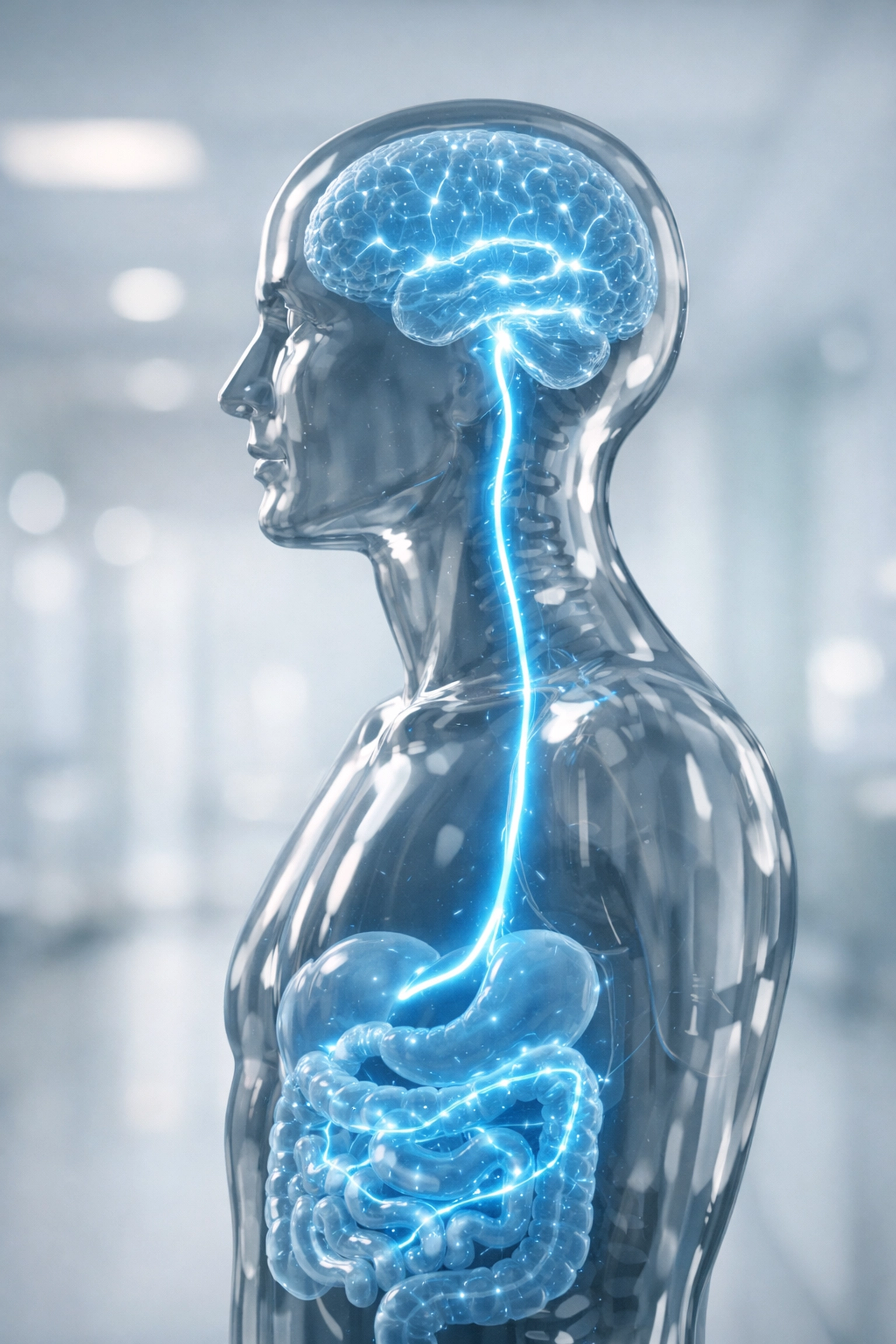
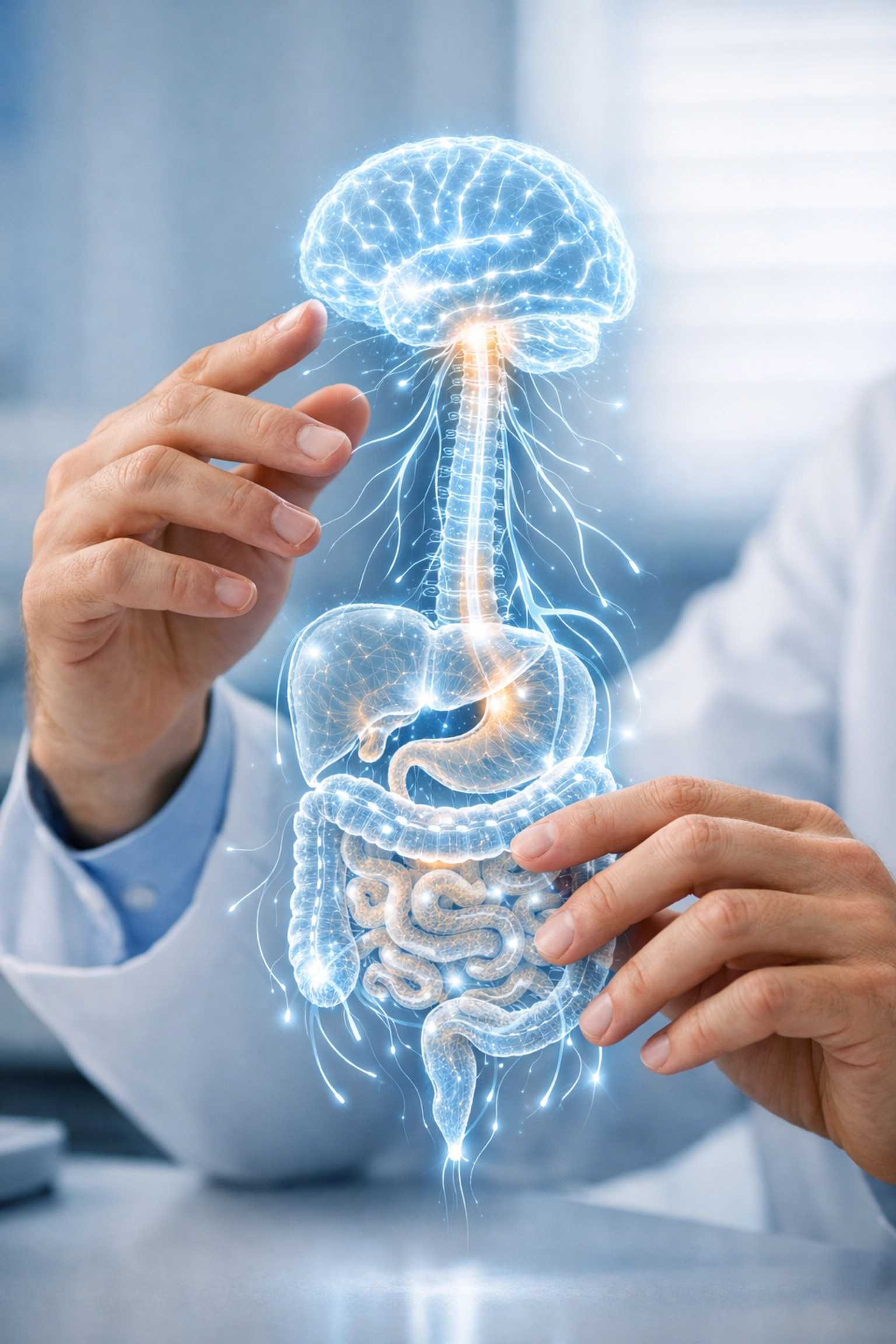
The gut-brain axis is a bidirectional communication network that links the enteric nervous system (the "second brain" in your gut) with the central nervous system (your actual brain). This communication happens via the vagus nerve, the immune system, and biochemical signaling molecules produced by the trillions of bacteria living in your intestines: collectively known as the microbiome.
Research indicates that these bacteria are responsible for producing up to 95% of the body’s serotonin and a significant portion of its dopamine: the very neurotransmitters targeted by antidepressant medications. In the context of trauma, this axis becomes a critical pathway for either recovery or chronic dysfunction.
How the Gut Influences the Brain
The microbiome influences mental health through several primary mechanisms:
- Neurotransmitter Production: Microbial species like Lactobacillus and Bifidobacterium produce Gamma-aminobutyric acid (GABA), the brain’s primary inhibitory (calming) neurotransmitter.
- Vagus Nerve Signaling: The gut sends more signals to the brain than it receives, meaning your "gut feeling" is a literal physiological data transfer.
- Inflammatory Regulation: A healthy microbiome maintains the gut barrier. When this barrier breaks down (often called "leaky gut"), inflammatory cytokines enter the bloodstream, cross the blood-brain barrier, and trigger neuroinflammation.
Trauma and the "Destabilization" of the Gut
Trauma, especially chronic or developmental trauma, places the body in a state of persistent sympathetic nervous system activation (the "fight or flight" response). This high-stress state isn't just exhausting for your mind; it is corrosive to your microbiome.
As outlined in recent clinical studies, persistent stress after trauma causes a "destabilization of microbial diversity." Essentially, the "good" bacteria that help regulate your mood are crowded out by opportunistic, pro-inflammatory species. This shift, known as dysbiosis, creates a feedback loop: the trauma damages the gut, and the damaged gut makes the brain more susceptible to the symptoms of PTSD and anxiety.
| Factor | Impact of Trauma on the System | Clinical Result |
|---|---|---|
| Microbial Diversity | Significant reduction in beneficial species | Decreased resilience and mood stability |
| Gut Permeability | Increase in "Leaky Gut" markers | Systemic inflammation and "brain fog" |
| Cortisol Levels | Chronic elevation | Suppression of beneficial gut flora |
| Immune Response | Overactive (Pro-inflammatory) | Increased sensitivity to emotional triggers |
Why Keystone Therapy Takes a "Brain Mechanic" Approach
At Keystone Therapy, we move beyond the limitations of traditional therapy by adopting a holistic, evidence-backed framework. We don't just treat symptoms; we investigate the systemic drivers of those symptoms. This is what we call our mind-body integration approach.
An integration therapist looks at the whole person. If a client is struggling with stress and sleep disorders, we look at their circadian rhythms, their nutritional intake, and their gut health. If the microbiome is in a state of dysbiosis, the most insightful talk therapy in the world will struggle to take root because the biological "soil" isn't fertile for change.
The Role of Psychoneuroimmunology (PNI)
PNI is the study of how your thoughts and emotions (psycho) affect your nervous system (neuro) and your immune system (immunology). By addressing the microbiome, we are effectively performing "maintenance" on the immune system to lower the baseline of physiological anxiety. This allows the brain to exit "survival mode" and enter "healing mode."
Evidence-Based Interventions: Healing from the Inside Out
The beauty of the microbiome is that it is highly plastic: it can be changed. Emerging research provides a roadmap for using dietary and microbial interventions to support trauma recovery.
1. Probiotic and Prebiotic Supplementation
Specific strains of bacteria, sometimes called "psychobiotics," have shown promise in clinical settings. For instance, butyrate-producing probiotics like Clostridium butyricum have been found to reduce inflammatory markers and improve neurologic outcomes in cases of traumatic brain injury. Prebiotics: fibers that feed your beneficial bacteria: help increase short-chain fatty acids (SCFAs), which protect the brain and improve cerebral blood flow.
2. The Mediterranean Approach
Adhering to a Mediterranean-style diet: high in healthy fats (omega-3s), lean proteins, and a diverse array of plant fibers: has been clinically linked to an alleviation of PTSD symptoms. This diet provides the raw materials necessary for the gut to manufacture mood-stabilizing chemicals.
3. Lifestyle and Integration
Healing the gut-brain axis requires more than just a pill. It requires a recalibration of lifestyle factors. Our team at the Belmont clinic and Byford clinic works with clients to integrate these biological changes into their daily routines, ensuring that their physical health supports their mental progress.
What an Integration Session Looks Like
When you work with a mind-body therapist at Keystone Therapy, your initial assessments may involve more than just your personal history. We may discuss:
- Nutritional Patterns: Identifying pro-inflammatory foods that may be exacerbating anxiety.
- Digestive Health: Exploring issues like IBS or bloating, which are often co-morbid with trauma.
- Sleep and Rhythm: Mapping how your neurodiversity or stress levels are impacting your body's ability to repair itself overnight.
This comprehensive inventory allows us to create a bespoke "mechanic's plan" for your brain. We guide you through the process of rebalancing your internal ecosystem so that your nervous system can finally find safety.

Summary: The Gut as a Gateway to Healing
The evidence is clear: the road to trauma recovery often runs through the gut. By understanding the microbiota-gut-brain axis, we move away from the "broken brain" narrative and toward a "disturbed system" narrative. Systems can be rebalanced. Hardware can be tuned.
If you are looking for an evidence-backed, brain-based alternative to traditional therapy: one that respects the profound connection between your microbiome and your mental health: it may be time to consult a Brain Mechanic.
Practical Steps for Your Journey:
- Diversify your diet: Aim for 30 different plant-based foods per week to increase microbial diversity.
- Focus on Fermentation: Incorporate kefir, sauerkraut, or kimchi to introduce beneficial live cultures.
- Consult the Experts: Explore our resources or book a session to begin a guided integration journey.
Trauma recovery is not just about changing your mind; it's about supporting the biological foundation that your mind sits upon. At Keystone Therapy, we are ready to help you rebuild that foundation from the ground up.
For more information on our specific clinical approaches, visit our services page or reach out to our team at Keystone Therapy.