

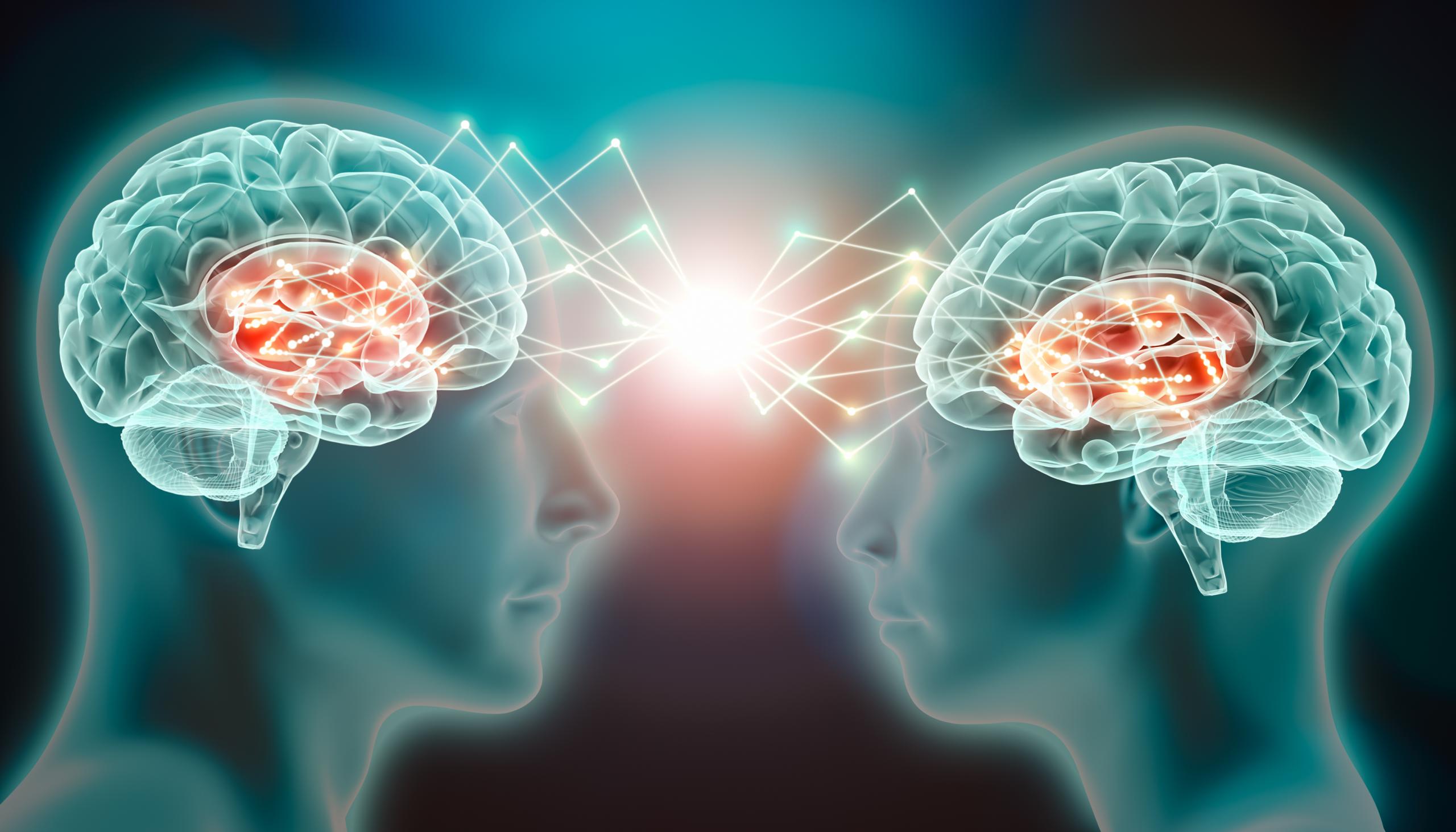
This article unpacks the critical intersection of the Window of Tolerance and the ARCHR² framework (Adaptive Resilience and Cognition for Holistic Repair). As a "Brain Mechanic" here at Keystone Therapy, I see too many people trying to navigate life with a "check engine" light that’s been blinking for years. This guide explains how neuro-counselling doesn’t just help you survive within your current emotional limits: it fundamentally retools your nervous system to expand those limits through a process we call evolvability.
The following sections inventory the mechanics of the nervous system, the architecture of ARCHR², and the actionable steps we take to increase your regulatory bandwidth.
1. The Engine Room: Understanding Your Window of Tolerance
Before we can upgrade the system, we have to understand the current specs. The Window of Tolerance, a concept pioneered by Dr. Dan Siegel, describes the optimal zone of "arousal" where you can function, learn, and process emotions effectively. When you are within this window, the gears are turning smoothly. You can handle stress without stripping the transmission.
However, when life redlines your system, you get pushed out of this window into one of two states:
- Hyper-arousal (The "Fight or Flight" Redline): Your nervous system is over-revving. You feel anxious, angry, or overwhelmed. Your brain is screaming "danger," even if you’re just stuck in traffic or dealing with a snarky email.
- Hypo-arousal (The "Shutdown" Stall): The system has blown a fuse to protect itself. You feel numb, disconnected, or exhausted. This is the "freeze" or "faint" response where the engine just cuts out.
Comparative Table: States of Arousal
| State | Nervous System Branch | Physical Symptoms | Psychological Experience |
|---|---|---|---|
| Hyper-arousal | Sympathetic (SNS) | Racing heart, shallow breath, muscle tension | Anxiety, panic, rage, impulsivity |
| Optimal Window | Ventral Vagal (PNS) | Steady heart rate, relaxed muscles | Calm, focused, socially engaged, flexible |
| Hypo-arousal | Dorsal Vagal (PNS) | Low heart rate, "heavy" limbs, cold | Numbness, dissociation, depression, "brain fog" |
For many dealing with trauma or chronic stress, this window becomes incredibly narrow. The goal of neuro-counselling at Keystone Therapy is to widen this window so you can handle more of life’s "torque" without breaking down.

2. Introducing ARCHR²: The Brain Mechanic’s Framework
At Keystone, we don’t just "talk" about feelings; we look at the underlying hardware. We use the ARCHR² framework: Adaptive Resilience and Cognition for Holistic Repair: to guide the repair process. This isn't a one-size-fits-all patch; it’s a systematic overhaul designed to increase your system's evolvability.
Breaking Down the Acronym:
- A – Adaptive: The ability to shift gears based on the environment. If the road gets bumpy, an adaptive system adjusts its suspension.
- R – Resilience: Not just "toughing it out," but the capacity for the nervous system to return to its baseline after a spike in stress.
- C – Cognition: Ensuring the "Onboard Computer" (your prefrontal cortex) stays online even when the "Safety Sensors" (your amygdala) are firing.
- H – Holistic: Recognizing that you can’t fix the engine without looking at the fuel lines (nutrition), the chassis (body/somatic sensations), and the driver (your sense of self).
- R² – Repair and Rewire: This is where neuroplasticity comes in. We aren't just repairing old damage; we are rewiring the pathways to ensure the system runs better than it did before the "accident."
The ARCHR² approach moves beyond traditional therapy by focusing on the neurobiological ARCH × Φ model. This involves understanding your Archetypes (ingrained survival scripts), your Drives (what motivates your system), and your Thresholds (the Φ or "Phi" factor that determines when you flip into survival mode).
3. The Concept of Evolvability: Beyond Simple Coping
In the world of biology, evolvability is the capacity of a system to generate adaptive changes. In the context of your brain, it means your nervous system’s ability to "update its software" to handle higher levels of complexity.
Most people come to therapy looking for "coping mechanisms." Coping is like carrying a spare tire. It’s useful, but it doesn't change the fact that your car keeps getting flats. Evolvability is like upgrading to run-flat tires and reinforced suspension. We want to increase your Regulatory Bandwidth.
When we increase evolvability through ARCHR², we are essentially:
- Lowering the Sensitivity of the Alarm: Teaching the amygdala that not every stressor is a tiger.
- Strengthening the "Brakes": Enhancing the Ventral Vagal tone (the part of the nervous system that calms you down).
- Refining Emotional Repatterning: Integrating previously "avoided" emotions into the system so they no longer cause a system crash when they surface.

4. How ARCHR² Expands Your Window of Tolerance
How does this work in the clinic? We use a combination of top-down (cognitive) and bottom-up (somatic) interventions. This dual-access approach is what makes the ARCHR² framework so effective for trauma and chronic stress.
Step 1: Mapping the Thresholds
We begin by identifying where your "Phi" (Threshold) currently sits. What triggers the hyper-arousal? What leads to the "shutdown"? By mapping these, we identify the specific "weak points" in the system's architecture.
Step 2: Somatic Stabilization (Bottom-Up)
You can't think your way out of a nervous system stall. We use techniques rooted in Polyvagal Theory to help you recognize the physical "tells" of moving toward the edge of your window. This might involve breathwork, grounding, or neuro-feedback to help the body feel safe enough to stay "online."
Step 3: Cognitive Integration (Top-Down)
Once the body is stable, we work on the Cognition aspect of ARCHR². This involves "Mentalization": the ability to understand the mental states of yourself and others. By strengthening this "muscle," you can observe your stress response without being consumed by it.
Step 4: Emotional Repatterning
This is the core of "Holistic Repair." We revisit the "scripts" or Archetypes that keep you stuck. For example, if your system is hardwired to believe "vulnerability equals danger," we work to repattern that neural pathway. This increases your capacity to handle emotional complexity, effectively widening the window.

5. Clinical Application: The Keystone Way
As Brain Mechanics, we treat the therapy room like a workshop. We aren't just observers; we are active partners in your "retooling."
Our approach to Trauma and Mentalization ensures that every session is geared toward increasing your adaptive capacity. We look for "micro-evolutions": small shifts in how you handle a stressor during the week: and use those as blueprints for larger system updates.
"The goal of ARCHR² is not to live a life free of stress: that’s impossible. The goal is to build a system that can handle the stress, learn from it, and return to balance without losing its 'cruising speed'." : Steve Halls, Chief Brain Mechanic
Why Evolvability Matters for Your Long-Term Health
A narrow Window of Tolerance isn't just an emotional problem; it’s a physical one. Constant hyper-arousal leads to high cortisol, inflammation, and heart strain. Constant hypo-arousal leads to metabolic slowdown, digestive issues, and "shutdown" pathologies. By using the ARCHR² framework to expand your window, you are literally performing preventative maintenance on your entire biological system.
Summary of ARCHR² Interventions
- Neuro-Counselling: Focused on the intersection of brain function and behavior.
- Threshold Adjustment: Shifting the "Phi" factor to allow for more stimulus before a survival response is triggered.
- Regulatory Bandwidth Expansion: Using emotional repatterning to handle higher "affective loads."
- Holistic Calibration: Aligning sleep, lifestyle, and mental rhythms (see our guide on Social Rhythm Therapy).
The path to a more resilient life isn't found in avoiding the "red zone," but in upgrading your "engine" so you can navigate the highs and lows with precision and ease. Whether you’re dealing with the aftermath of trauma or just feel like your system is "maxed out," there is a way to retool and recover.
The next section of our framework explores the specific role of Interpersonal Neurobiology in maintaining these upgrades within your relationships. To learn more about how we apply these "mechanic" principles to the brain, explore our full range of services.